
Animal Cruelty in the fashion industry
- sebeauty155
- May 24, 2024
- 3 min read


In depth.
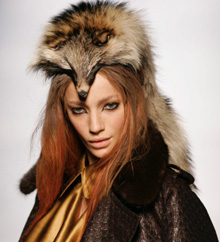
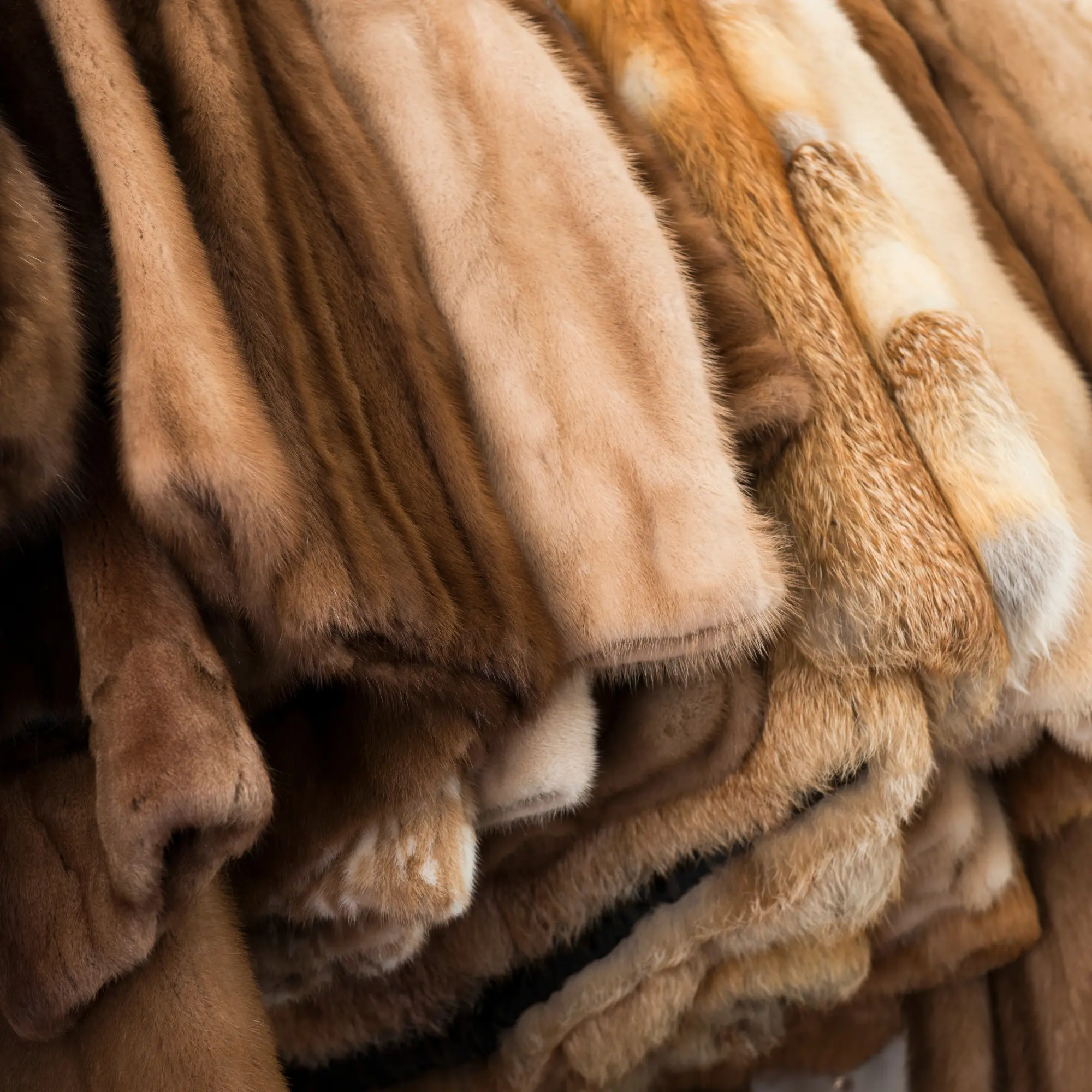
Animal cruelty often comes to the forefront of activists’ schedule. In the fabrication of many kinds of clothing such as of shoes, belts and other accessories, the skin of various animals is used. For instance, the manufacturing of fur coats requires the killing of mink, foxes or other animals whose skin can be utilized. More frequently, these animals are killed using very merciless methods. Their numbers have also decreased in the forest. Some animals are near extinction because of immoderate killing.
Many textiles are treated with chemical compounds to soften and dye them. Such chemicals are dangerous to the environment and can also cause skin diseases. Lead, nickel, chromium, aryl amines are some of the chemical compounds used in the process of treating textiles. Ethical problems in the fashion industry are the cause of many debates. Many industries regularly reply to public concerns by showing their corporate social duty in numerous methods. Some are radical by being green. Others select a certain issue which they decide to show their responsibility. For instance, many companies explicitly make known that the method of producing their goods does not involve child labor or underpaid wages. Whatever the truth of the matter may be, ethical issues keep preoccupying the activists, governments, and society.

Each year, around one hundred million animals are bred and killed to supply the fashion industry with not only traditional fur coats but, increasingly, real fur trim for hooded jackets, and real fur pompoms used on hats, gloves, shoes and a range of other clothing and accessories. It’s estimated that as many as half of all animals raised for their fur are killed to satisfy the market for fur trim.
So, let's take a closer look at the materials and processes that affect animals:
Leather Production
Undoubtedly, animals are most used in fashion to produce leather and fur for clothing and accessories. Although cattle are the most popular animals for leather (not just a by-product of the meat and dairy industries), lamb, deer and pig skin are regularly used. Lamb and kid (goat) skin is commonly used to make gloves. Other animals, including buffalo, horses, stingrays, eels, dogs, snakes, ostriches and kangaroos, are also used to make leather.
Wool Production
While wool is a natural fibre, the sheep farming industry has been associated with concerns such as molesting (a painful procedure that involves cutting crescent-shaped flaps of skin from around a lamb's breech and tail), overcrowded living conditions and unethical treatment of animals.
Testing on Animals
Some fashion brands may test their products or ingredients on animals, particularly for cosmetics and skincare items. This can involve subjecting animals to painful and harmful procedures. It is estimated that more than 115 million animals worldwide are used in laboratory experiments every year. Laboratory testing involves a wide range of animals, and the specific species used can vary depending on the type of research, objective, and regulatory requirements. Some commonly used animals in laboratory testing include rats, mice, rabbits, guinea pigs, dogs, cats, birds and primates.

Lets Prevent Animal Cruelty In The Fashion Industry!!!!!!!!!!
To address these issues, there is a growing movement within the fashion industry toward ethical and sustainable practices. This includes cruelty-free materials, vegan alternatives, transparency in supply chains, and the adoption of certifications that ensure animal welfare standards are met. Consumers are also becoming more conscious of these issues and are demanding more responsible and compassionate choices from fashion brands.
Here are some top tips for being more animal-friendly.
Educate yourself on materials by learning which are derived from animals and consider alternatives.
Support brands that are transparent about their supply chains and committed to ethical practices.
Check labels carefully to understand what materials are used and choose items made from sustainable, non-animal materials.
written by Elisabeth
edited by Elisabeth
Want to help end animal cruelty in the fashion industry?
Join us to get emails when there’s an action you can take.


.jpg)
.jpg)
Comments